The pet industry has seen a surge in innovative products designed to improve the lives of our furry companions, and one such invention that has gained significant traction is the slow feeder bowl. These specialized bowls are not just another gimmick; they address a genuine concern among pet owners—rapid eating habits in dogs and cats. The design of these bowls encourages pets to eat at a slower pace, promoting better digestion and reducing the risk of bloat, a potentially life-threatening condition.
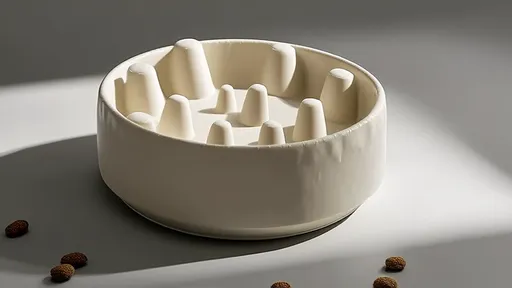
At first glance, a slow feeder bowl might look like an ordinary pet dish with a few obstacles. However, the science behind its design is far more intricate. The raised ridges, mazes, or patterns force pets to navigate around them, slowing down their eating speed. This simple yet effective mechanism mimics the natural foraging behavior animals would exhibit in the wild, making mealtime both mentally stimulating and physically rewarding.
Pet owners who have switched to slow feeder bowls often report noticeable improvements in their pets' behavior. Dogs, in particular, tend to gulp down food at an alarming rate, leading to digestive discomfort or even vomiting. With a slow feeder, the meal becomes a prolonged activity, reducing anxiety-related eating and preventing overconsumption. Cats, though generally more finicky, also benefit from the added challenge, especially those prone to obesity.
The materials used in these bowls vary, ranging from durable plastics to ceramic and stainless steel. Each has its advantages—plastic bowls are lightweight and affordable, while ceramic and stainless steel options are easier to clean and more resistant to bacteria buildup. Some high-end models even feature adjustable difficulty levels, allowing pet owners to customize the feeding experience based on their pet's needs.
Beyond the health benefits, slow feeder bowls also serve as an enrichment tool. Pets, especially those left alone for long periods, can experience boredom, which often leads to destructive behavior. A slow feeder turns mealtime into a puzzle, engaging their minds and providing much-needed mental stimulation. This is particularly useful for high-energy breeds or pets recovering from surgery who need to stay occupied without excessive physical activity.
Critics might argue that slow feeders are an unnecessary expense, but the long-term health benefits far outweigh the initial cost. Veterinary professionals increasingly recommend them, especially for breeds prone to digestive issues. As pet owners become more educated about animal wellness, the demand for such innovative products continues to grow, solidifying the slow feeder bowl's place as a staple in modern pet care.
The future of pet feeding solutions looks promising, with designers experimenting with smart technology integration. Imagine a bowl that adjusts its maze pattern based on the pet's eating speed or syncs with an app to track consumption. While these advancements are still in development, the core principle remains the same: improving the quality of life for our pets, one slow bite at a time.

By /Jul 31, 2025

By /Jul 31, 2025

By /Jul 31, 2025

By /Jul 31, 2025

By /Jul 31, 2025

By /Jul 31, 2025

By /Jul 31, 2025

By /Jul 31, 2025

By /Jul 31, 2025

By /Jul 31, 2025

By /Jul 31, 2025

By /Jul 31, 2025

By /Jul 31, 2025
By /Jul 31, 2025
By /Jul 31, 2025

By /Jul 31, 2025

By /Jul 31, 2025

By /Jul 31, 2025

By /Jul 31, 2025

By /Jul 31, 2025
